
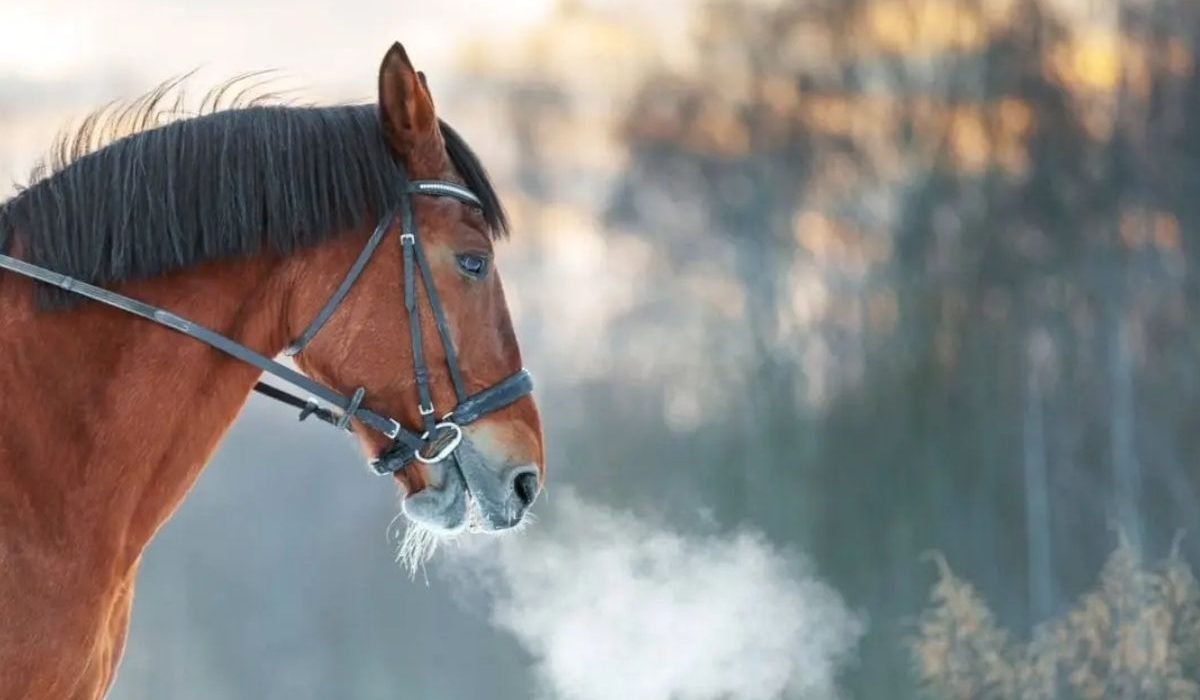
Respiratory diseases remain one of the most common health concerns affecting horses worldwide in 2026. These conditions can impact a horse’s performance, wellbeing, and overall quality of life. Veterinarians continue to emphasize prevention, early detection, and proper management to reduce the risk of serious respiratory problems.
Understanding Respiratory Diseases in Horses
Respiratory diseases affect the airways and lungs of horses. Common conditions include equine influenza, equine herpesvirus, and inflammatory airway disease. These illnesses can spread quickly, especially in environments where horses are kept in close contact.
Common Causes of Respiratory Problems
Several factors can contribute to respiratory diseases in horses. Dusty stables, poor ventilation, viral infections, bacterial infections, and environmental allergens are among the most common causes. Long-term exposure to these factors can increase the risk of chronic respiratory conditions.
Early Warning Signs to Watch For
Recognizing symptoms at an early stage is important for successful treatment. Horse owners should pay attention to coughing, nasal discharge, breathing difficulties, reduced performance, loss of appetite, and unusual fatigue. Early veterinary intervention can help prevent complications.
Importance of Vaccination Programs
Vaccination plays a key role in protecting horses from infectious respiratory diseases. Veterinarians recommend following a regular vaccination schedule based on the horse’s age, travel history, and exposure risk. Proper vaccination helps reduce disease outbreaks and supports overall equine health.
Biosecurity Measures for Disease Prevention
Strong biosecurity practices can significantly reduce the spread of respiratory illnesses. Horse owners are encouraged to isolate sick animals, disinfect equipment, limit unnecessary contact between horses, and maintain strict hygiene standards within stables and training facilities.
Modern Diagnostic Technologies
Advances in veterinary medicine are improving the diagnosis of respiratory diseases. Digital imaging, laboratory testing, endoscopy, and advanced monitoring systems allow veterinarians to identify health issues more accurately and begin treatment sooner.
Conclusion
Respiratory diseases remain a significant challenge for the equine industry. However, through vaccination, biosecurity, early detection, and modern care solutions, horse owners can help protect their animals and support long-term respiratory health.