
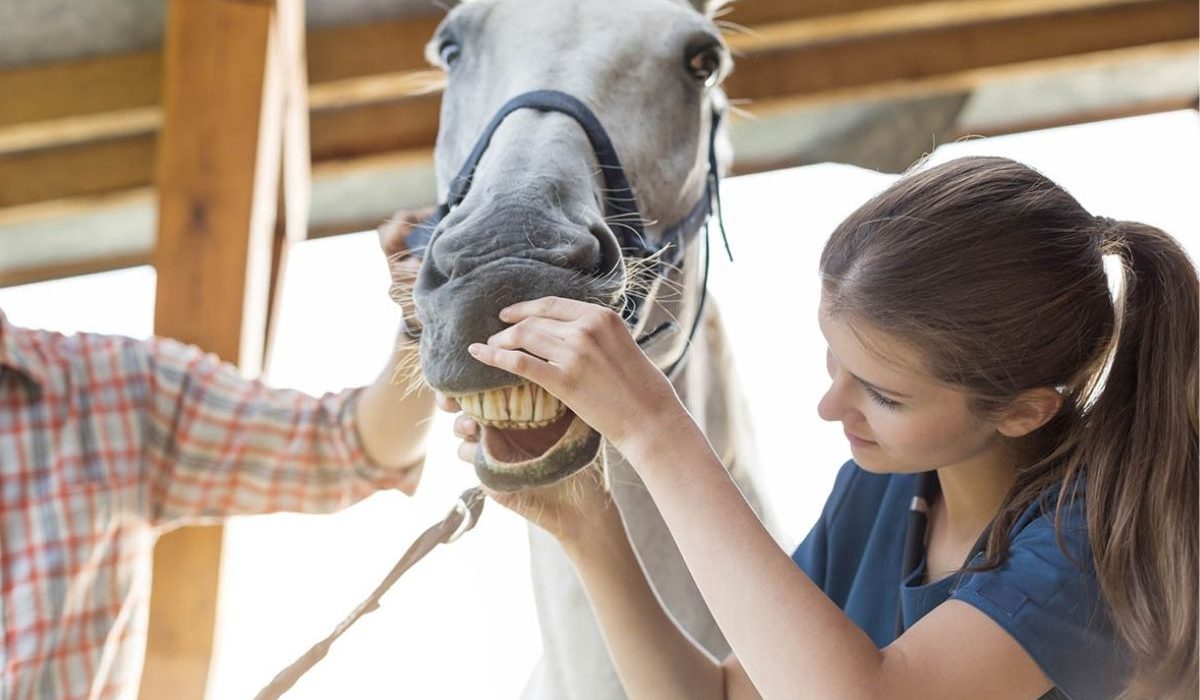
Preventive horse care is becoming increasingly important in 2026 as horse owners focus on maintaining animal health while managing expenses. Veterinary experts agree that preventive care helps reduce the risk of serious illnesses, lowers treatment costs, and improves the overall wellbeing of horses.
What Is Preventive Horse Care?
Preventive horse care involves regular health practices that help keep horses healthy before problems occur. These measures include routine veterinary checkups, vaccinations, dental care, parasite control, and proper nutrition. Prevention is often more effective and less expensive than treating diseases after they develop.
Regular Veterinary Checkups Matter
Routine veterinary examinations play a vital role in maintaining horse health. Veterinarians can identify early signs of illness before they become serious. Early diagnosis allows for quicker treatment and helps avoid costly medical procedures in the future.
Vaccination Helps Prevent Disease
Vaccinations are one of the most effective ways to protect horses from infectious diseases. A proper vaccination schedule reduces the risk of outbreaks and supports long-term health. Experts recommend working with a veterinarian to develop a vaccination plan based on each horse’s needs.
Importance of Dental Care
Dental health is often overlooked, but it is essential for horse wellbeing. Regular dental examinations help prevent eating difficulties, weight loss, and discomfort. Healthy teeth allow horses to process food efficiently and maintain good overall health.
Parasite Control Supports Better Health
Internal parasites can affect a horse’s growth, performance, and immune system. Modern parasite management programs help reduce health risks while preventing unnecessary medication use. Regular testing and targeted treatments are recommended by equine health professionals.
Proper Nutrition Reduces Health Risks
A balanced diet provides horses with the nutrients needed for growth, performance, and immune function. Quality forage, clean water, and appropriate supplements can help prevent nutritional deficiencies and support long-term wellness.
Early Detection Saves Money
One of the biggest advantages of preventive care is early disease detection. Identifying health issues in the early stages often results in lower treatment costs and better recovery outcomes. Preventive healthcare can help owners avoid expensive emergency situations.
Conclusion
Preventive horse care remains one of the best investments for horse owners. Through regular checkups, vaccinations, nutrition, and good management practices, owners can improve horse health, reduce veterinary expenses, and support long-term wellbeing.