
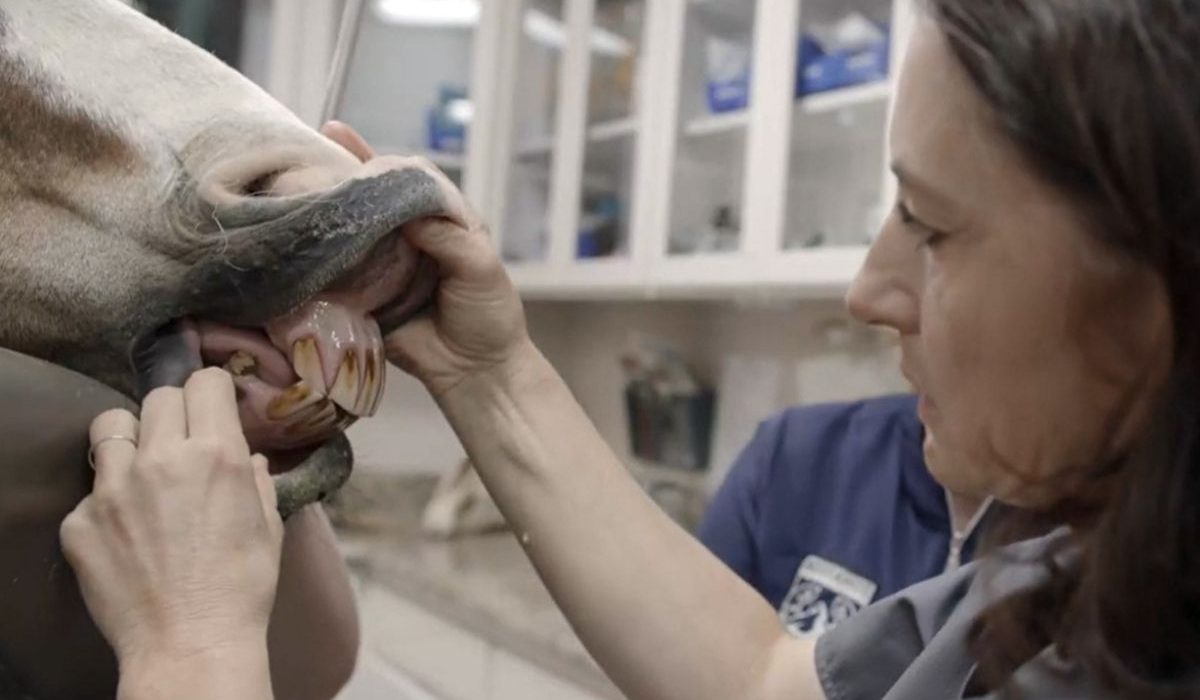
Preventive horse care is gaining attention in 2026 as horse owners look for effective ways to maintain equine health while reducing veterinary expenses. Experts agree that prevention is often more affordable than treatment and plays a key role in improving the long-term wellbeing of horses.
Growing Importance of Preventive Horse Care
The equine industry is placing greater emphasis on preventive healthcare. Regular wellness programs help identify potential health issues before they become serious. As a result, horses can enjoy healthier lives and owners can avoid costly medical emergencies.
Routine Veterinary Checkups
Veterinarians recommend scheduled health examinations throughout the year. These checkups help detect illnesses early and allow for timely treatment. Early diagnosis often leads to lower healthcare costs and better recovery outcomes.
Vaccination Protects Horse Health
Vaccinations remain one of the most effective preventive measures available. They help protect horses from infectious diseases and reduce the risk of outbreaks. Maintaining an updated vaccination schedule supports both individual horse health and overall herd protection.
Dental Care Improves Wellbeing
Regular dental examinations are essential for healthy eating and digestion. Dental problems can lead to weight loss, discomfort, and reduced performance. Proper dental care helps horses maintain good nutrition and overall health.
Effective Parasite Management
Parasite control programs continue to be an important part of preventive horse care. Veterinary experts recommend routine testing and targeted treatments. These strategies help protect horses while reducing unnecessary medication use.
Future Outlook
Experts predict that preventive horse care will become even more important in the coming years. Advances in veterinary medicine, nutrition, and technology are expected to make preventive healthcare more effective and accessible.
Conclusion
Preventive horse care offers significant benefits for both horses and owners. Through routine checkups, vaccinations, proper nutrition, and early disease detection, owners can improve horse health while reducing long-term veterinary costs.