
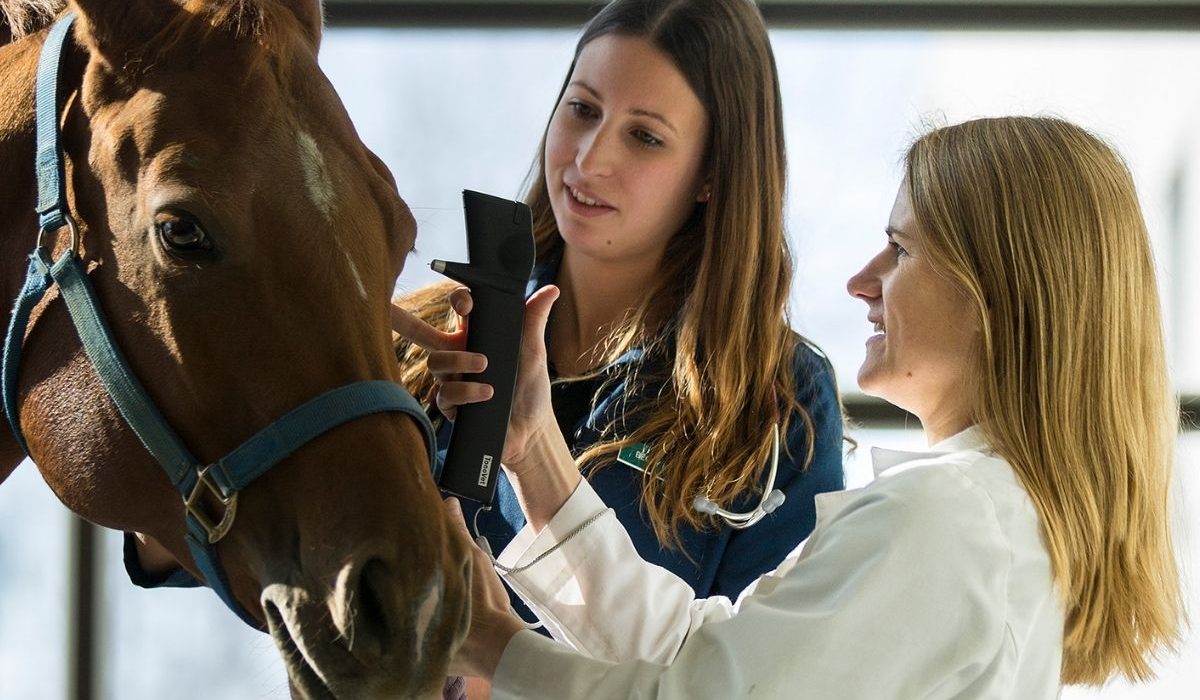
The equine industry is rapidly adopting modern veterinary technologies to improve horse health, safety, and overall performance. Advanced medical tools and digital systems are helping veterinarians diagnose diseases earlier, provide faster treatments, and ensure better long-term care for horses worldwide.
Smart Diagnostic Equipment
Modern clinics now use advanced diagnostic machines such as portable ultrasound scanners, digital X-ray systems, and thermal imaging cameras. These technologies allow veterinarians to identify injuries, bone problems, and muscle stress with greater accuracy. Early diagnosis helps prevent serious health complications and reduces recovery time.
Wearable Health Monitoring Devices
Wearable sensors are becoming popular in equine care. These smart devices track heart rate, body temperature, movement patterns, and activity levels in real time. Horse owners and trainers can monitor health conditions continuously and quickly detect unusual behavior or signs of illness.
Telemedicine and Online Veterinary Support
Telemedicine is improving communication between horse owners and veterinarians. Through video consultations and digital reports, experts can provide quick advice without requiring immediate travel. This technology is especially useful for remote farms and rural equine facilities.
Regenerative Therapy Advancements
New treatment methods such as stem cell therapy and platelet-rich plasma therapy are helping horses recover from tendon injuries and joint problems more effectively. These regenerative treatments support natural healing and are widely used in sports and racing horses.
Artificial Intelligence in Equine Healthcare
Artificial intelligence is now assisting veterinarians in analyzing medical records and identifying disease patterns. AI-powered software can improve diagnostic accuracy and help create personalized treatment plans for horses based on their medical history.
Improved Surgical Techniques
Modern surgical technologies, including laser surgery and minimally invasive procedures, are making equine operations safer and more efficient. These methods reduce pain, minimize infection risks, and shorten recovery periods for horses.
Conclusion
Veterinary technology continues to transform equine healthcare by improving diagnosis, treatment, and preventive care. As innovation grows, horse owners and veterinary professionals can provide safer, faster, and more effective healthcare solutions for equine animals.