
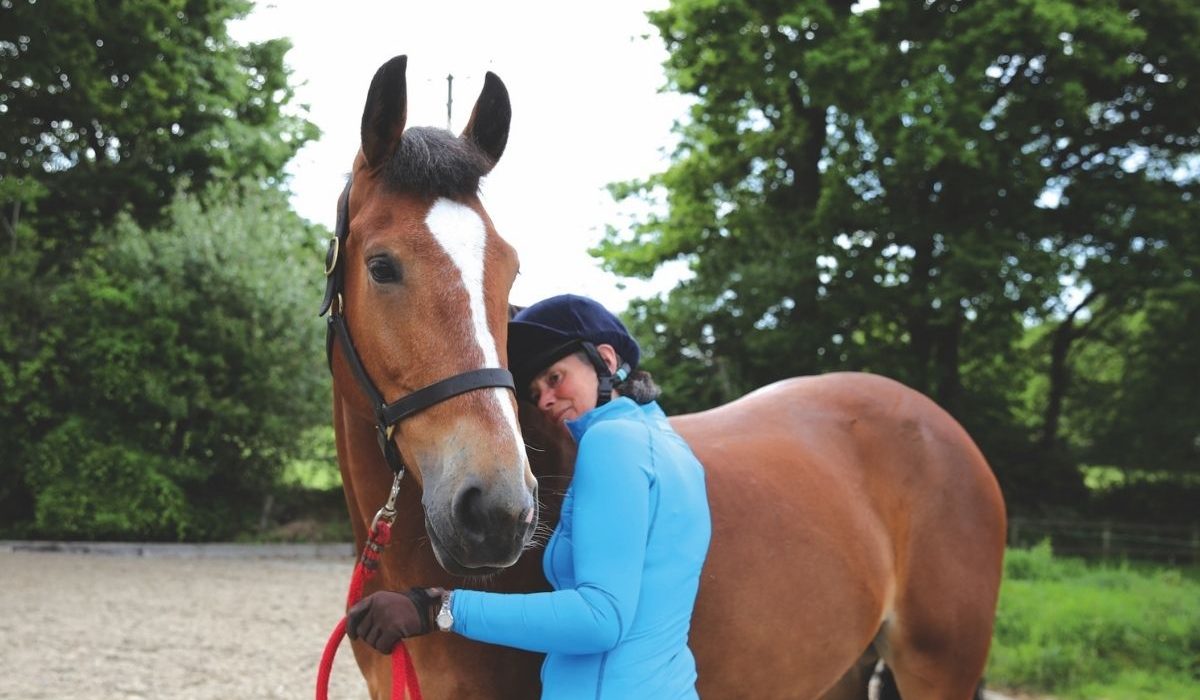
The Horse Welfare Summit 2026 brought together veterinarians, equine behavior specialists, researchers, trainers, and horse owners to discuss new ways of improving horse-human interaction and equine wellbeing. The event focused on welfare-centered care, responsible management, and scientific approaches that support healthier relationships between horses and people.
Event Overview
The summit served as a platform for sharing knowledge about horse behavior, welfare standards, training methods, and healthcare innovations. Experts presented practical strategies that can help improve both horse welfare and human safety.
Importance of Horse-Human Interaction
One of the key themes of the summit was the importance of positive horse-human interaction. Specialists explained that trust, communication, and understanding play a vital role in horse welfare. Strong relationships can reduce stress and improve overall wellbeing.
Understanding Equine Behavior
Behavior experts discussed how horses communicate through body language and natural behaviors. Learning to recognize these signals helps owners and trainers respond appropriately. Better understanding leads to improved care and safer handling practices.
Welfare-Based Training Methods
Several sessions focused on modern training techniques that prioritize horse welfare. Speakers encouraged the use of positive reinforcement and ethical training methods. These approaches help build confidence while reducing fear and anxiety in horses.
Advances in Equine Welfare Research
Researchers presented the latest findings related to horse welfare and behavior. New studies highlighted the effects of environment, management practices, and social interaction on equine health and wellbeing.
Role of Veterinary Care in Welfare
Veterinary professionals emphasized the importance of preventive healthcare in supporting welfare goals. Regular health assessments, vaccinations, dental care, and early disease detection help maintain physical and mental wellbeing.
Creating Better Living Environments
Experts discussed how stable design and management practices affect horse welfare. Proper ventilation, adequate space, social interaction, and access to exercise were identified as essential components of a healthy environment.
Technology Supporting Equine Wellbeing
Modern technologies are helping owners monitor horse health and behavior more effectively. Smart tracking devices and digital monitoring systems provide valuable information that supports better welfare management and decision-making.
Education and Awareness Programs
The summit highlighted the importance of ongoing education for horse owners, trainers, and caretakers. Awareness programs continue to promote best practices in welfare, behavior management, and responsible horse ownership.
Conclusion
The Horse Welfare Summit 2026 demonstrated the equine industry’s commitment to advancing horse-human interaction and equine wellbeing. Through research, education, and innovation, the event provided valuable insights that can help create a healthier and more positive future for horses and their caretakers.