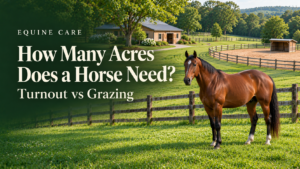
The Belgian Draft Horse is one of the strongest, calmest and most popular heavy horse breeds in the world. This guide gives you the facts you need on its size, temperament, lifespan, cost and daily care, so you can decide whether a Belgian belongs in your barn.
You will also learn how the American Belgian Draft Horse differs from its European cousin, how it compares to the Clydesdale, and what health issues every owner should screen for. Every section answers the main question first, then gives you the practical detail behind it.
Key Takeaways
- Typical adult Belgians stand 16 to 18 hands high and weigh approximately 1,800 to 2,400 pounds; individuals vary.
- Sorrel or chestnut coats with a flaxen mane and tail define the modern American Belgian.
- The breed has a calm, willing disposition, but size makes consistent training essential for safety.
- A forage based diet low in starch suits the Belgian, which carries a higher genetic risk of PSSM1.
- The breed registry gives a lifespan of about 20 years, with individual variation.
What Is a Belgian Draft Horse?
A Belgian Draft Horse is a heavy draft horse breed that originated in Belgium and was developed for farm work, hauling and pulling. It is popular because it combines enormous strength with a calm temperament, which can make a well-trained individual rewarding to handle and well suited to work, driving and showing.
In plain terms, a draft horse breed is a horse built for pulling rather than speed. Draft horses carry dense muscle, a broad chest, short strong legs and powerful hindquarters. The Belgian horse fits this description perfectly and remains a widely established draft breed in the United States.
Here is the key thing to understand. There are two related types under the Belgian name. The American Belgian Draft Horse is taller and leaner, while the European Belgian, often called the Brabant, is shorter and heavier. Both share the same roots, but they look quite different in a paddock.
Common Uses of the Belgian Horse Today
The Belgian Draft Horse breed still works for a living. Many small farms, Amish communities and loggers use Belgians for plowing, mowing, hauling hay and skidding timber. Their pulling power and steady pace make them efficient in places where machines damage soil or cannot reach.
You will also see Belgians in hitch classes at draft shows, in horse pulling contests and pulling wagons for weddings, parades and hayrides. A growing number of owners keep them as trail horses or simply as calm companions. These uses continue the breed’s working tradition.
History and Origin of the Belgian Draft Horse
The Belgian developed from the heavy working horses of Belgium. Historical accounts associate its ancestry with the medieval Great Horse, although a direct lineage should not be treated as a documented modern pedigree.
Long before tractors existed, Belgian stallions were the engines of European agriculture. Breeders exported them across Europe to add size and substance to other heavy horse breeds, so many modern draft breeds carry Belgian blood.
Belgian imports reached the United States in the late 1800s. In 1887, breeders founded the American Association of Importers and Breeders of Belgian Draft Horses in Wabash, Indiana. That group became the Belgian Draft Horse Corporation of America in 1937, and it still keeps the official breed registry from Wabash today.
The breed gained huge attention in the early 1900s through exhibitions at the St. Louis World's Fair and major livestock shows. World War I and World War II interrupted imports, and farm mechanization after 1945 cut demand sharply. American breeders kept the bloodlines alive, however, and the Belgian recovered strongly through draft shows, pulling contests and small farm work.
American breeders deliberately selected for a taller, lighter and more refined horse with a chestnut or sorrel coat. European breeders kept the heavier, stockier type. That split explains why the American and European Belgian look like different breeds today.
The Belgian Draft Horse Corporation of America maintains breed registration and pedigrees. Verify registration and request relevant genetic test reports separately. Under its 2026 rules, horses born January 1, 2026 onward require DNA testing before registration; breeding stallions must also be JEB tested before their foals can be registered.
In Europe, the heavier Brabant type has its own studbooks, and a small number of breeders in the United States now preserve that European Belgian type as well. If you want the stockier, roan or bay look, ask breeders specifically about Brabant bloodlines.
Belgian Draft Horse Size and Appearance
Belgian Draft Horse size is the feature most people notice first. Expect a tall, deep bodied horse with a broad chest, short back, heavily muscled neck and powerful hindquarters. The head is relatively small for the body, with a straight profile and a kind eye.
Height and Weight
Height is measured at the withers, the highest point over the shoulders. One hand equals four inches. The Belgian breed registry gives a typical range of 16 to 18 hands, equivalent to 64 to 72 inches (approximately 163 to 183 cm).
The registry gives a typical adult weight of 1,800 to 2,400 pounds (approximately 816 to 1,089 kg). Frame, age, sex and body condition influence the weight of an individual horse.
Exceptionally large Belgians have attracted attention, but record-sized individuals are not representative of the breed. Use typical ranges and assess the horse in front of you.
| Measurement | Typical Belgian Range | Notes |
|---|---|---|
| Height at the withers | 16 to 18 hands | Many American Belgians reach 18 hands |
| Adult weight | 1,800 to 2,400 pounds | Some stallions exceed 2,400 pounds |
| Foal birth weight | About 125 pounds | Figure reported by the breed registry |
| Hoof size | Very large | Needs draft specific shoes and tools |
Body Type and Conformation
Conformation means the way a horse is built, and a good Belgian is built for pulling power. Look for a muscular build with a short, strong back, a deep girth, a broad chest and powerful hindquarters. These features let the horse push its weight into the collar efficiently.
The legs should be straight, clean and well set under the body, with large, sound hooves. American Belgians carry only light feathering, the long hair on the lower legs. Here is a useful tip: when you assess a horse, watch it walk and trot in hand on firm ground. Even, regular strides tell you more than a photo ever will.
Coat Colors and Markings
Belgian Draft Horse colors in America are mostly sorrel, chestnut and blonde, usually paired with a flaxen mane and tail. The Belgian Draft Horse Corporation of America lists sorrel, red sorrel, chestnut, roan and blonde as the main colors. Chestnut is the darkest shade, while blonde is the lightest.
White facial markings are common and often preferred. Many Belgians carry a blaze, which is a wide white stripe down the face. White socks and stockings on the lower legs are also typical, and some horses show light colored legs without true white markings.
Early imports to America came in many colors, including bay, black, roan and even gray. American breeders then favored the sorrel with flaxen points, so those other colors became rare in the United States. In Belgium, roan and bay remain far more common in the heavier Brabant type.
Belgian Draft Horse Temperament
Belgian Draft Horse temperament is calm, gentle and willing. The Livestock Conservancy describes the breed as docile and gentle, and owners commonly call Belgians "gentle giants." Most adapt well to steady routines and new handlers.
A calm temperament does not cancel out size. A frightened 2,000 pound horse can still step on you, crowd you or drag you across a yard. Good ground manners, built through consistent training, keep that willing disposition safe for everyone.
Most Belgians also enjoy company and settle best with a stable herd and a predictable daily schedule. Sudden changes in feed, housing or companions can unsettle even a quiet horse. Introduce new routines gradually and you will usually see the breed's famous calm return quickly.
Individual temperament still varies within the breed. Young horses, stallions and horses with little handling can be pushy or reactive. Always judge the horse in front of you, not the breed reputation. Watch how it leads, ties, stands for the farrier and responds to pressure before you buy.
Belgians generally learn quickly and remember lessons well. Short, consistent sessions work better than long, forceful ones. Many draft trainers start Belgians in harness first, then add saddle work later once the horse is mature and confident.
Well-trained Belgians can make dependable driving horses. Calm behavior around traffic, crowds and noise requires suitable training and experience; it is not guaranteed by breed.
That same patience makes Belgians popular for carriage work at events and public rides. Remember, though, that harness training takes skill. Unless you have driving experience, buy a horse that is already broke to drive and take lessons from a qualified teamster.
Can You Ride a Belgian Draft Horse?
Yes, you can ride a Belgian Draft Horse. Many Belgians make steady, comfortable riding horses for trail and pleasure work. The breed was built for pulling, though, so riding a Belgian Draft Horse needs the right equipment, the right expectations and a mature horse.
Riding horses are judged differently from driving horses. A horse that excels at carriage work or farm pulling may still need time to learn balance under a rider. The good news is that the Belgian's calm mind usually helps it adjust well.
Before you ride a Belgian, check these practical points carefully:
- Have a qualified saddle fitter assess the individual horse; a draft label alone does not guarantee correct fit.
- Discuss readiness for ridden work with your veterinarian and trainer, considering development, soundness and conditioning.
- Plan for a sturdy mounting block, since a 17 hand horse is very tall to mount from the ground.
- Expect a slower, more deliberate gait rather than quick, sharp responses.
- Build fitness gradually, as heavy horses tire faster at sustained speed.
- Use a properly sized bridle and bit, because draft heads need wider fittings.
A large body does not automatically establish a safe rider-weight limit. Assess the individual horse, rider, tack, fitness and intended work with a qualified professional.
A trained and appropriately conditioned Belgian may enjoy trails and basic schooling. Terrain and footing should match the horse’s experience and fitness.
Some owners cross Belgians with lighter breeds, such as Thoroughbreds or Quarter Horses, to get a more athletic riding horse with a calm mind. If you want a purebred, simply match your goals to the horse's natural strengths and avoid asking for sustained speed.
How Long Do Belgian Draft Horses Live?
The Belgian Draft Horse Corporation of America gives a lifespan of about 20 years. Some individuals live longer or shorter lives; genetics, disease and management all influence longevity.
Belgian Draft Horse lifespan depends heavily on health management. A healthy weight, regular hoof care, daily movement and early attention to leg problems all extend a working life. Genetic screening also plays a role for breeding animals.
Researchers still do not fully understand some draft horse conditions, and no feed or supplement can guarantee a longer life. What you control is daily management, early detection and a strong working relationship with your veterinarian.
Health Conditions That Affect Lifespan
Chronic progressive lymphedema (CPL) can cause persistent lower-leg swelling, skin thickening and folds. Seek veterinary assessment for these signs. Risk varies between populations and individual horses.
PSSM1 is an inherited muscle disorder associated with abnormal glycogen storage and episodes of muscle pain or tying up. Shivers is a distinct movement disorder. A veterinarian should assess abnormal movement, weakness or difficulty lifting the hind feet.
Junctional epidermolysis bullosa (JEB) is a severe inherited disease affecting newborn foals. UC Davis offers a DNA test for the Belgian-associated variant. Carriers are not the same as affected horses; breeding decisions require interpretation of both parents’ test results. The registry requires JEB testing of breeding stallions before their foals can be registered.
Aging shows first in the joints and the legs of a heavy horse. Watch for stiffness after rest, shorter strides and reluctance to work. Arthritis, which is inflammation and wear inside a joint, is common in older draft horses and responds best to early management.
Senior Belgians may also lose weight, drop feed or struggle with worn teeth. Yearly dental checks, softer forage options and a body condition check every month help you catch problems early. Small adjustments made in time can add good years to your horse's life.
How to Care for a Belgian Draft Horse
Belgian Draft Horse care follows the same principles as any horse, but everything scales up. You need more feed, more space, bigger equipment and a farrier experienced with heavy horses. Plan these costs and resources before you bring a Belgian home.
Many draft health problems are easier to prevent than to treat. A daily routine built around forage, movement, clean legs and regular hoof work protects your horse for the long term.
Think of care in three layers. Daily tasks include feeding, watering, turnout and checking legs and hooves. Monthly tasks include body condition scoring and tack checks. Seasonal tasks include vaccines, dental work and adjusting the diet for grass growth or winter hay. A simple written schedule keeps every layer on track.
Feeding and Body Condition
Build the diet around suitable forage and an assessment of body condition, workload and health. Forage recommendations are expressed on a dry-matter basis: the weight of fresh pasture is not interchangeable with the weight of hay. Ask an equine nutritionist or veterinarian to calculate the ration for the individual horse.
Belgians are often easy keepers, meaning they hold weight on less feed than you might expect. High starch feeds such as sweet feed, corn and large grain meals can trigger muscle problems in horses with PSSM1. University of Minnesota research supports a low starch, fat supplemented diet with daily exercise for these horses.
But here is where most owners go wrong. They feed for size instead of body condition. Use a body condition score, a 1 to 9 scale that rates fat cover, and aim for a moderate score. Add a ration balancer for vitamins and minerals if hay alone leaves gaps, and provide clean water at all times.
Water is the most overlooked nutrient in draft horse care. A large horse drinks far more than a light horse, and intake rises sharply in hot weather or during work. Check troughs and buckets at least twice daily, and keep water from freezing in winter.
Offer free choice salt so your horse can replace sodium lost in sweat. Low water intake raises the risk of impaction colic, so treat any sudden drop in drinking as a warning sign.
Housing, Turnout and Exercise
Provide enough stall space for the individual horse to turn, lie down and rise comfortably. Heavy horses may need larger stalls than lighter breeds. Check doorways, ceiling clearance, fencing and trailer capacity as well as floor area.
Daily turnout matters even more than stall size. Movement supports circulation in the lower legs, helps muscle function and reduces boredom. Sturdy, well maintained fencing is essential, since a leaning Belgian can flatten weak rails quickly.
Regular exercise protects both muscle and joints. Light daily work, whether driving, riding or turnout with companions, suits the breed better than long rest followed by sudden hard work. Think of it this way: steady activity keeps a heavy horse healthy.
Grooming and Hoof Care
Grooming a Belgian takes more time simply because there is more horse. Pay close attention to the lower legs. Keep the skin clean and dry, check daily for scabs, swelling or mites, and act quickly if you see changes. Early care can slow the progress of leg problems such as CPL.
Arrange a regular trimming or shoeing schedule with a farrier experienced in heavy horses. Six to eight weeks is a common starting interval, but hoof growth, wear and health may require a different schedule.
Clean and pick out the hooves daily, watch for cracks, thrush and uneven wear, and never stretch the farrier schedule. Strong hooves support every other part of your horse's health.
Routine veterinary care keeps small problems from becoming expensive ones. The American Association of Equine Practitioners recommends core vaccines for all horses, including tetanus, rabies, West Nile virus and Eastern and Western equine encephalomyelitis. Your veterinarian will add others based on your region and your horse's travel.
Plan a yearly wellness exam with a dental check, and use fecal egg counts to guide deworming rather than treating on a fixed calendar. Tell your vet you own a draft horse, because sedation, medication doses and equipment all need to suit a very large patient.
How Much Does a Belgian Draft Horse Cost?
Belgian Draft Horse purchase prices vary substantially with age, registration, health, training, location and intended use. Compare dated local listings and verified sale results rather than treating a single price range as a national average.
Here is what many buyers forget. The purchase price is often the smallest part of ownership. Feed, hoof care, veterinary care, equipment and housing all cost more for a draft horse than for a light breed, so build a full annual budget first.
| Factor | Lower Price Range | Higher Price Range |
|---|---|---|
| Registration | Grade or unregistered | Registered with breed papers |
| Training | Green or unstarted | Broke to ride and drive |
| Age | Weanling or older senior | Prime working age |
| Purpose | Companion or light use | Show, pulling or breeding |
| Health screening | Unknown status | JEB tested, clean prepurchase exam |
Always budget for a prepurchase exam by a veterinarian. Ask for JEB results on registered horses, and discuss PSSM1 testing with your vet. These simple steps protect your money and your future horse.
Estimate annual forage costs from the horse’s professionally assessed daily ration, local hay prices, pasture availability, storage and expected wastage. Boarding may already include feed, so avoid counting it twice.
Farriers often charge more for draft horses because the work is heavier and the shoes are larger. You should also budget for draft sized tack, blankets, halters and a trailer tall and strong enough to haul your horse safely. Think of it this way: everything costs a little more when your horse weighs a ton.
Belgian Draft Horse vs Clydesdale: Key Differences
The Belgian Draft Horse and the Clydesdale are both heavy horses, but they differ in origin, build, color and feathering. The Belgian comes from Belgium and is usually sorrel or chestnut with light feathering. The Clydesdale comes from Scotland and is typically bay with heavy white feathering on the legs.
Feathering refers to the long hair on the lower legs. Clydesdales carry dramatic, silky feathers, while American Belgians have far less. That difference matters for grooming, since heavy feather needs more leg care and makes skin problems harder to spot.
| Feature | Belgian Draft Horse | Clydesdale |
|---|---|---|
| Country of origin | Belgium | Scotland |
| Typical height | 16 to 18 hands | 16 to 18 hands |
| Typical weight | 1,800 to 2,400 pounds | 1,800 to 2,000 pounds |
| Common colors | Sorrel, chestnut, roan | Bay, black, brown, roan |
| Leg feathering | Light | Heavy and silky |
| Build | Compact, very deep bodied | Taller, longer legged look |
Clydesdales often look taller and more flashy, while Belgians are typically heavier and more compact for their height. Both breeds share a calm nature, so your choice often comes down to purpose, looks and grooming time.
Compare individual horses for the work you want to do. A Belgian may appeal to owners seeking a traditional working type with relatively light feathering; Clydesdales are known for their distinctive appearance and show-hitch presence. Training, health and suitability matter more than a universal breed ranking.
Is a Belgian Draft Horse Right for You?
A Belgian Draft Horse is right for you if you have the space, budget and handling skills for a very large horse. The breed suits owners who value a calm temperament, steady work ethic and a horse that enjoys routine. It suits less well if you need speed, a small footprint or low running costs.
Ask yourself honest questions before you buy. Do you have a draft sized stall, safe fencing and a farrier who works with heavy horses? Can you budget for more hay than a light horse eats? Do you have experienced help for training and handling?
A well trained Belgian can be a wonderful partner for farm work, driving, trail riding or simply companionship. Match the individual horse to your skills, and lean on a trainer if you are newer to large horses.
Before you commit, ask the seller these direct questions:
- How old is the horse, and is it registered with papers?
- What is its JEB status, and has it been tested for PSSM1?
- Is it broke to ride, drive or both, and who trained it?
- How does it behave for the farrier, the vet and trailer loading?
- Has it ever shown leg swelling, lameness or tying up?
Clear, confident answers are a good sign. Vague replies tell you to slow down and request a full prepurchase exam.
Frequently Asked Questions
Is a Belgian Draft Horse the Same as a Brabant?
A Belgian Draft Horse and a Brabant share the same origin, but they are no longer identical. The Brabant, or European Belgian, is the older, heavier and stockier type still bred in Europe. The American Belgian Draft Horse was selected for a taller, lighter frame and a sorrel coat with a flaxen mane.
Both types are calm and strong, so the right choice depends on the look and job you want.
What Is the Difference Between a Belgian Draft Horse and a Belgian Warmblood?
The difference between a Belgian Draft Horse and a Belgian Warmblood is purpose and build. The Belgian Draft Horse is a heavy working breed made for pulling. The Belgian Warmblood, known as BWP, is a lighter sport horse bred for show jumping and dressage.
Can Belgian Draft Horses Be Black?
Belgian Draft Horses can be black, but black is rare in the American Belgian. Early imports included black, bay and gray horses. American breeders later favored sorrel and chestnut, so most Belgians in the United States today are sorrel with a flaxen mane and tail.
If you want a dark coated Belgian, look at European Brabant bloodlines, where bay and darker roans remain more common.
Are Belgian Draft Horses Suitable for First Time Owners?
A well-trained Belgian may suit a first-time owner with experienced support and suitable facilities. Calm temperament does not eliminate the risks of handling a very large horse. Choose the individual with help from a trainer and an independent veterinary examination.
Take lessons, work with a trainer during the first months and make sure your farrier and veterinarian handle draft horses regularly.
Can Belgian Draft Horses Be Used for Trail Riding?
A suitably trained, sound and conditioned Belgian can be used for trail riding. Match the route, footing and pace to the individual, use correctly fitted tack and build fitness gradually.
Is a Belgian Draft Horse Bigger Than a Clydesdale?
Height and weight ranges overlap between the breeds. Belgians often have a deep, substantial build, while Clydesdales may appear leggier. A measuring stick establishes height; a weight tape only estimates weight and may be less reliable for heavy breeds. A suitable livestock scale is preferable when accurate weight is needed. Read our guide to horse weight and measurement.
Final Thoughts
The Belgian Draft Horse earns its reputation as a gentle giant through calm temperament, impressive strength and steady loyalty. When you understand its size, health risks, feeding needs and hoof care, you can give this remarkable breed the long, comfortable life it deserves.
Start with forage first feeding, steady daily exercise, clean legs and a reliable farrier schedule, and you will set your Belgian up for success. Before you change your horse's diet, exercise plan or health routine, consult your veterinarian or a certified equine nutritionist for advice tailored to your horse's individual needs.