
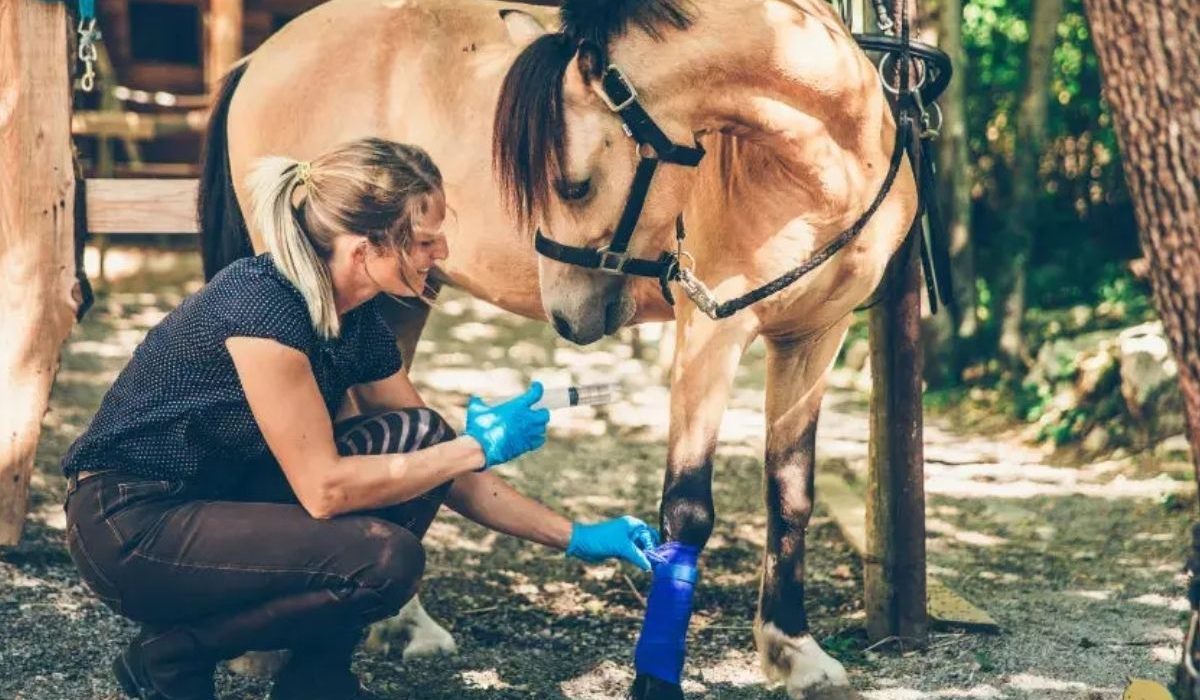
Equine care is becoming more advanced in 2026. Horse owners are now focusing on better health management, nutrition, hygiene, and smart stable practices to keep horses healthy and active.
Modern technology and improved veterinary services are also helping owners provide safer and more efficient care. Experts believe that proper daily management is essential for maintaining horse health and performance.
Provide Balanced Nutrition
Proper nutrition is one of the most important parts of equine care. Horses require a balanced diet that includes hay, grains, clean water, vitamins, and minerals.
In 2026, many horse owners are using smart feeding systems to manage portion sizes and feeding schedules. These systems help prevent overfeeding and improve digestion.
A healthy diet supports energy levels, muscle development, and overall horse wellness.
Maintain Regular Veterinary Checkups
Regular veterinary care helps detect health issues early. Experts recommend routine vaccinations, dental care, and physical examinations for every horse.
Veterinarians can also monitor weight, hoof condition, and signs of illness before problems become serious.
Preventive healthcare is helping horse owners reduce long-term medical costs and improve horse welfare.
Focus on Stable Hygiene
Clean stables are essential for horse health. Dirty environments can increase the risk of infections, breathing problems, and hoof diseases.
Horse owners should clean stalls daily, provide fresh bedding, and maintain proper ventilation.
In 2026, automated stable cleaning systems are becoming popular because they improve hygiene and save time.
Use Smart Health Monitoring Technology
Modern wearable devices are changing equine care. Smart trackers can monitor heart rate, temperature, movement, and sleep patterns in real time.
These tools help owners identify unusual behavior and health changes quickly.
Technology is allowing veterinarians and trainers to make faster decisions and improve horse safety.
Ensure Daily Exercise and Training
Regular exercise keeps horses physically fit and mentally active. Daily movement also improves muscle strength, flexibility, and cardiovascular health.
Training programs should match the horse’s age, breed, and activity level. Overtraining should always be avoided to reduce injury risks.
Many trainers now use performance tracking technology to monitor exercise progress safely.
Maintain Proper Hoof Care
Healthy hooves are essential for horse mobility and performance. Owners should schedule regular hoof trimming and inspections with professional farriers.
Ignoring hoof care can lead to pain, infections, and movement problems.
Experts recommend checking hooves daily for cracks, injuries, or signs of disease.
Provide Mental Stimulation
Mental health is also important in equine care. Horses can become stressed or bored if they lack social interaction and activity.
Owners should provide outdoor time, safe interaction with other horses, and engaging training exercises.
A calm and mentally healthy horse usually performs better and experiences fewer behavioral issues.
Monitor Weather and Environmental Conditions
Extreme weather conditions can affect horse health. During hot weather, horses need proper hydration and shaded areas.
In winter, owners should provide warm shelter and maintain dry stable conditions.
Smart environmental monitoring systems are helping stable owners manage temperature and air quality more effectively in 2026.
Conclusion
Equine care in 2026 is focused on better nutrition, smart technology, preventive healthcare, and proper stable management. Horse owners are adopting modern practices to improve horse health, safety, and performance.