A horse that has historically been calm and cooperative may suddenly begin acting anxious, girthy, grumpy under saddle, or unusually reactive. For many professionals, the first assumption is a training setback or temperament change. Yet research into horse gut health and behavior suggests another possibility: hidden digestive discomfort.
Horses possess a highly sensitive equine digestive system, and both horse stomach issues and hindgut health problems can influence mood, focus, and stress tolerance through pain signaling and immune-inflammatory pathways
The Gut–Behavior Connection in Horses: What Science Supports
The equine gastrointestinal tract is an active regulatory system that influences immune signaling, inflammation, and neural communication. This interaction is often described as the gut brain axis in horses. While equine-specific causal pathways are still being defined, controlled studies support measurable associations between gut health and horse behavior (Destrez et al., 2019).
Horses derive a significant portion of usable energy from hindgut fermentation, where microbial breakdown of fiber produces short chain fatty acids in horses, including acetate, propionate, and butyrate (von Engelhardt et al., 1989). These microbial metabolites in horses influence gut lining health, mucosal integrity, and systemic inflammation, providing a physiological framework for understanding the horse digestive behavior link.
Hindgut Imbalance and Horse Anxiety That Looks Behavioral
Hindgut Fermentation, pH, and Reactivity
Hindgut dysbiosis in horses refers to disruptions in microbial balance and fermentation chemistry. Research demonstrates that diet-induced modulation of the equine hindgut microbiota correlates with behavioral responses during stress. Destrez et al. (2019) reported that hindgut pH in horses was negatively correlated with startle response frequency, linking hindgut fermentation problems in horses to observable reactivity.
Gut Discomfort Signs That Mimic “Attitude”
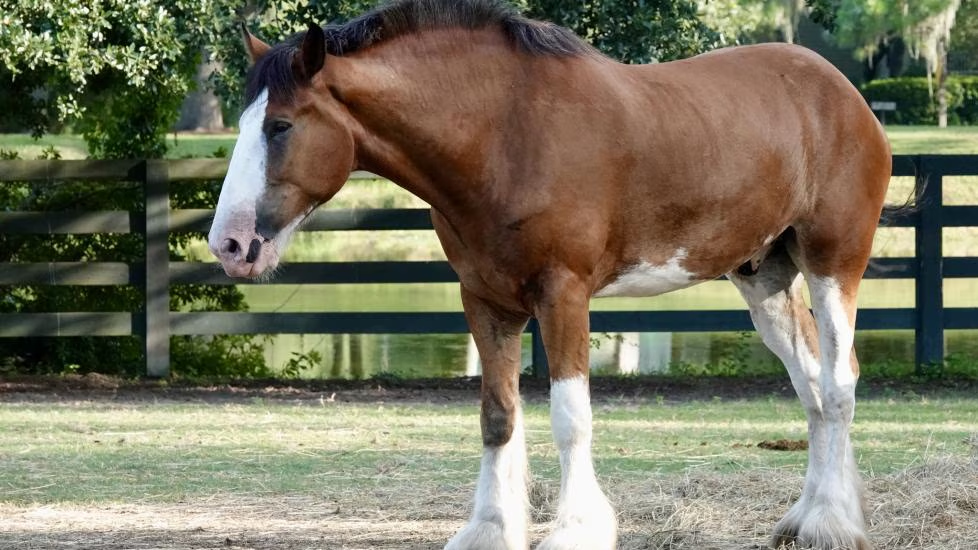
In applied settings, digestive discomfort behavior in horses may present as girthiness, resistance under saddle, defensive behavior, or irritability.
Equine Stomach Issues and Ulcers in Horses: Behavioral Signals and Evidence
Gastric ulcers in horses, including equine gastric ulcer syndrome, are common in performance populations. Prevalence studies report ulcer rates ranging from 40% to over 90% in horses under training or competition stress (McClure et al., 2005; Tamzali et al., 2011). Importantly, horse ulcers symptoms are often non-specific and include horse behavior changes, poor performance, and altered demeanor
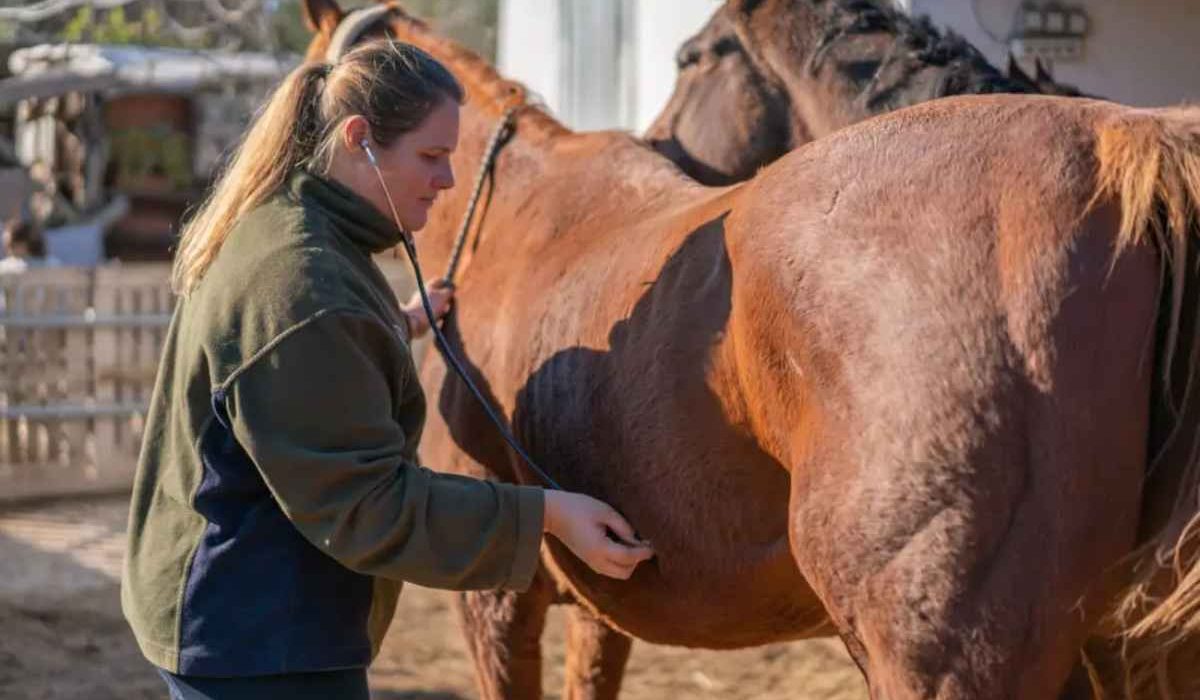
Recent studies examining equine ulcers behavior have identified associations between ulcer severity, pain-related behavior, and autonomic indicators such as heart rate variability (Perron et al., 2023; Torcivia et al., 2025). These findings support the question, can ulcers cause behavior changes in horses?
Digestive Stress in Horses: Transport, Exercise, and Systemic Signaling
Digestive stress in horses extends beyond diet. Transport stress horses gut and exercise stress gut permeability in horses are biologically meaningful. McGilloway et al. (2023) demonstrated that the combination of trailering and exercise increased intestinal permeability in horses and markers of systemic inflammation gut horses.
These findings explain why professionals often observe horse anxiety gut-related behaviors after hauling or competition and ask, why is my horse more anxious after hauling?
Real-World Applications of Gut-Support Practices and Technologies (Brand-Neutral)
Dietary Structuring and Digestive Stability
Across the literature, feeding structure is repeatedly linked to digestive balance in horses. Studies connecting fermentable fiber in horses, fiber fermentation, and microbial stability explain why feeding schedule changes affecting horse behavior are closely examined in professional environments
Gastric Management in Performance Horses
In high-performance settings, gastric management protocols are commonly implemented due to the documented prevalence of ulcers during competition stress. These practices are informed by research linking competition stress horse gut responses with ulcer development and behavioral variability
Hindgut-Focused Nutritional Technologies
The literature discusses hindgut-focused approaches involving fermentable fibers, microbial balance strategies, and equine gut metabolome support.
Interpreting Equine Behavior Through a Gastrointestinal Framework
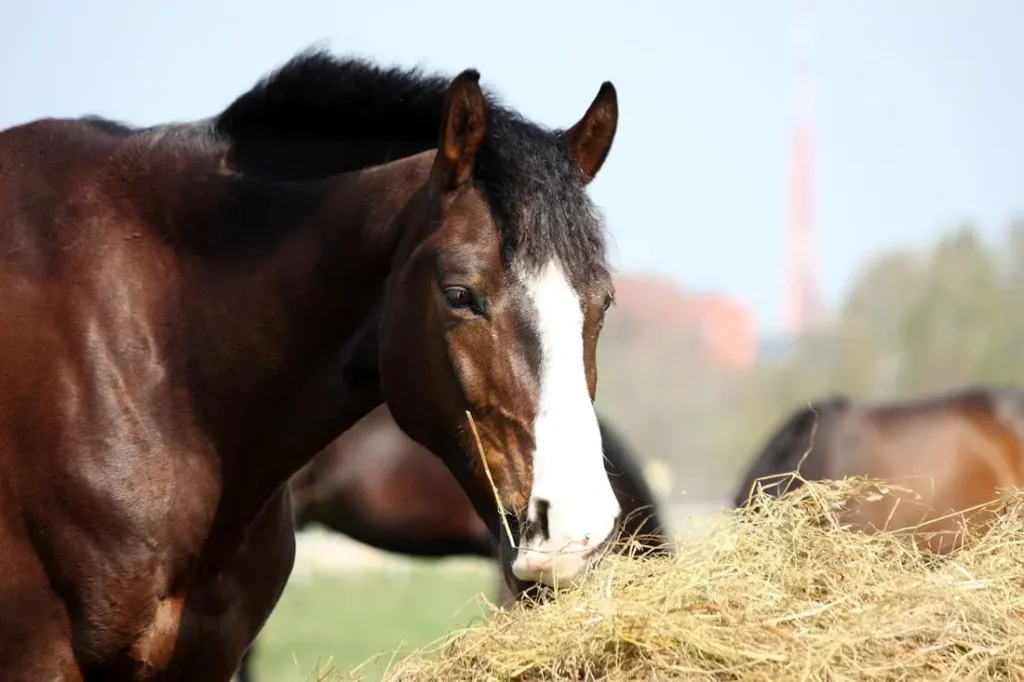
Behavior under saddle changes arise from multiple factors, including training, musculoskeletal comfort, stress, and internal physiology. Horse digestive system health should not be viewed as the sole explanation, but as a contributing variable when evaluating sudden behavior change in horses or temperament change in horses.
Expanded Perspective: The Gut–Immune–Behavior Continuum
A large portion of immune tissue resides within the gastrointestinal tract. Activation of gut-associated immune responses can influence gut lining health in horses, inflammatory tone, and stress tolerance. Chronic low-grade inflammation may subtly affect reactivity in horses and pain-related performance issues, reinforcing the gut-behavior connection.
Research Gaps and Ongoing Scientific Questions
Despite advances, gaps remain. Many studies involve small sample sizes, and individual variation in gut flora in horses complicates interpretation. Future research aims to refine biomarkers related to leaky gut in horses, LPS endotoxin horses, and behavioral outcomes.
Conclusion
Scientific evidence increasingly supports that equine gut health can influence horse behavior problems through interconnected digestive, immune, and neurophysiological pathways. Research links hindgut imbalance, equine stomach and mood, stress-related permeability, and ulcer prevalence with behavioral variability. A gut-focused perspective broadens interpretation of behavior while preserving scientific rigor.
Frequently Asked Questions (FAQs)
Q1: Can stomach ulcers make a horse aggressive?
A: Behavioral changes have been documented with gastric disease, although aggression is non-specific and overlaps with other pain-related behaviors
Q2: How do I know if my horse’s behavior is caused by gut pain?
A: Research shows that stomach discomfort signs in horses may overlap with training behaviors. Clinical evaluation is typically required to distinguish causes
Q3: Can hindgut imbalance cause spookiness or anxiety?
A: Controlled studies link hindgut dysbiosis signs in horses and altered fermentation with increased startle responses and anxiety-like behavior
Call-to-Action (CTA)
Readers interested in the connection between equine gut health and mood are encouraged to further explore evidence-based resources on horse digestion, hindgut health in horses, and stress physiology, and to observe behavior patterns alongside feeding, workload, and travel variables.