Equine health remains a top priority in 2026 as horse owners and veterinarians focus on disease prevention, emergency care, and welfare management. Vaccination, biosecurity, and first aid are considered the foundation of responsible horse care and play a vital role in keeping horses healthy and safe.
Importance of Vaccination in Horse Health
Vaccination helps protect horses from serious infectious diseases that can affect their health and performance. Veterinary experts recommend maintaining an up-to-date vaccination schedule based on a horse’s age, lifestyle, and exposure risks. Regular vaccinations reduce the risk of disease outbreaks and support long-term equine welfare.
Disease Prevention Through Biosecurity
Biosecurity measures are becoming increasingly important across the equine industry. Proper hygiene, controlled horse movement, equipment disinfection, and isolation procedures help prevent the spread of infectious diseases. Experts stress that strong biosecurity practices are essential for every stable, farm, and equestrian event.
Rising Awareness of Equine Diseases
Recent awareness campaigns have encouraged horse owners to strengthen disease prevention efforts. Health experts continue to highlight the risks associated with contagious diseases and the importance of early detection. Education programs are helping owners understand how vaccination and biosecurity work together to protect horse populations.
Equine First Aid Saves Lives
First aid knowledge is an essential skill for horse owners and caretakers. Quick action during emergencies can reduce the severity of injuries and improve recovery outcomes. Experts recommend keeping a well-stocked equine first aid kit and understanding basic emergency procedures before veterinary assistance arrives.
Essential Items in a First Aid Kit
A complete equine first aid kit should include bandages, wound dressings, antiseptic solutions, gloves, thermometers, and emergency contact information. Having these supplies readily available allows owners to respond effectively during unexpected situations.
Early Detection and Health Monitoring
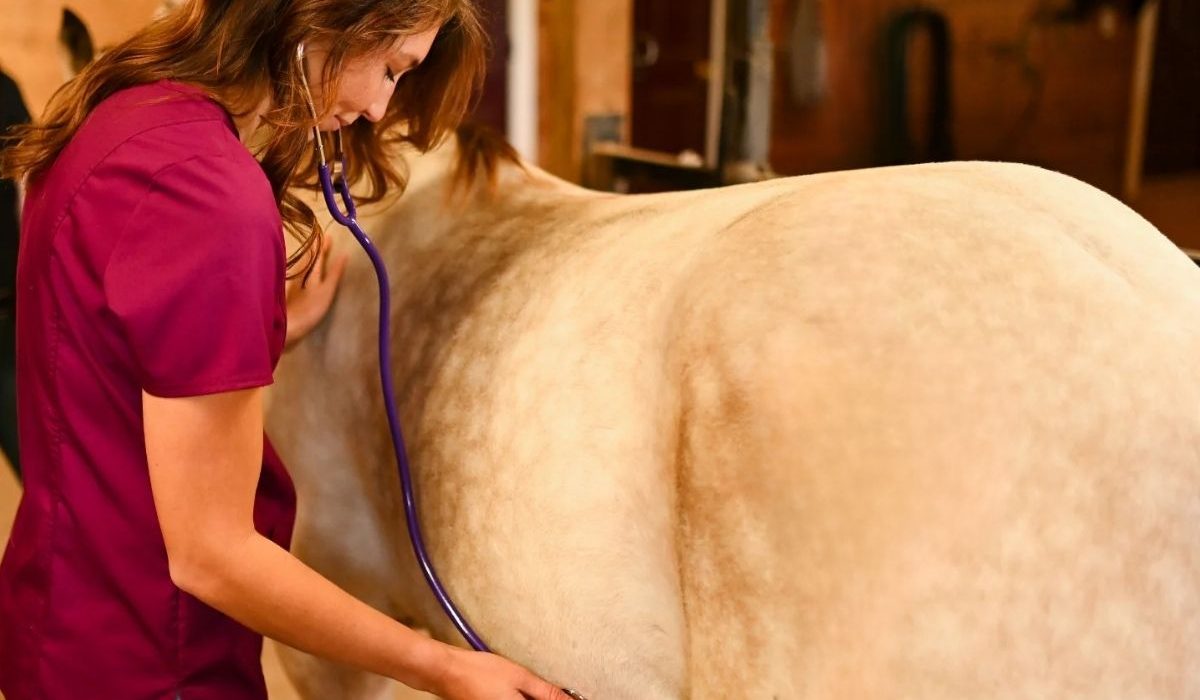
Monitoring a horse’s temperature, appetite, and behavior can help identify health problems before they become serious. Veterinary professionals encourage regular health checks because early detection often leads to faster treatment and better outcomes.
Biosecurity at Events and Competitions
Horse shows and competitions bring together animals from different locations, increasing the risk of disease transmission. Organizers are strengthening health requirements, vaccination checks, and monitoring procedures to maintain safer environments for participating horses.
Education Supporting Better Welfare
Industry organizations continue to provide educational resources that help horse owners improve healthcare practices. Training programs covering vaccination, biosecurity, and first aid are contributing to higher welfare standards across the equine sector.
Future Outlook
The future of equine health depends on preventive care, responsible management, and continued education. By combining vaccination programs, effective biosecurity measures, and first aid preparedness, horse owners can help ensure healthier and safer lives for horses in 2026 and beyond.
Conclusion
Vaccination, biosecurity, and first aid remain essential components of modern horse care. As awareness continues to grow, these practices will play an even greater role in protecting equine health and promoting animal welfare worldwide.